
- 390 million years ago
During the Devonian period, sediments were deposited at the bottom of a tropical sea. Much later, these sediments formed the rocks that can be seen today at the bottom of the Verna room.
Geological history
The Verna Room bears witness to the geological history of the Earth. It is the result of an extraordinary coincidence at the intersection of two mountain ranges: the immense Hercynian range, which crossed the world 350 million years ago, and the young Pyrenees, which are only 35 million years old. This history is recounted by the guides during the tours and detailed in the book La Verna (French).
- 200,000 years
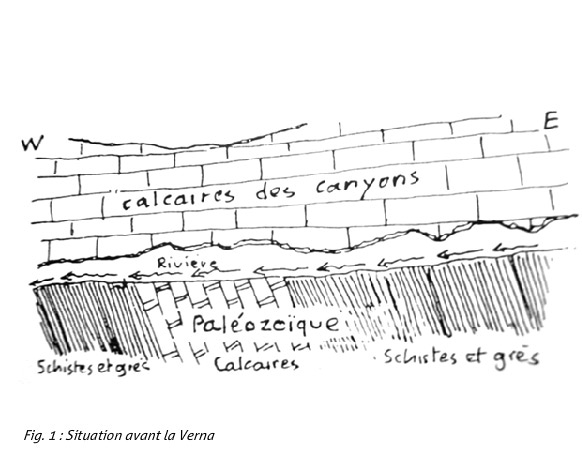
Before the chamber appeared, the karst base level was roughly at the level of the Aranzadi gallery. The Saint-Vincent River flows over the surface of the unconformity, at the base of the canyon limestones (fig. 1).
As the karst base level lowered, the river first disappeared a little, then a little more, and finally completely into the fractures of the Palaeozoic limestone. Captured by the rapidly developing Arphidia network, it left the Aranzadi gallery for good (fig. 2).
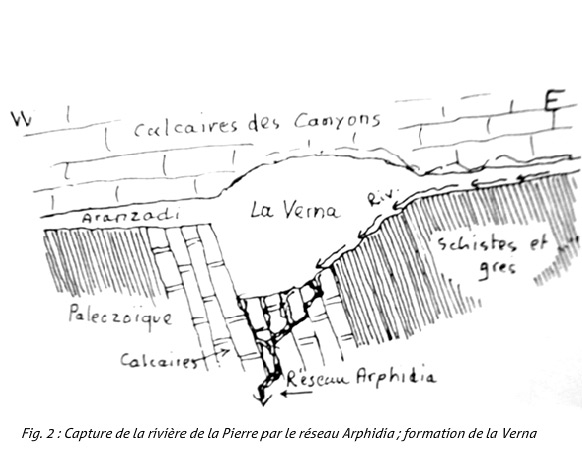
From there, the Saint-Vincent river acts like a mountain torrent disappearing into a chasm after running over a bed of shale: through regressive erosion. This process consists of slowly but surely gnawing away at the shale upstream, while carrying debris towards the chasm. This will create an increasingly wide and deep funnel.
19th century
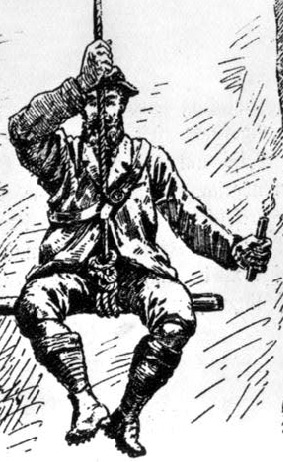
The exploration of caves, chasms and canyons remains the preserve of relatively wealthy individuals, guided by the adventurous and scientific spirit of the century. The term speleology appears at this time. Édouard-Alfred Martel visits numerous chasms in France and Europe. At the beginning of the 20th century, he publishes his discoveries at La Pierre Saint-Martin.
1950 - 1956
Engineer Fernand Ravier undertook a scientific and systematic study of the hydrological circulation of the Pierre Saint-Martin massif.

1950
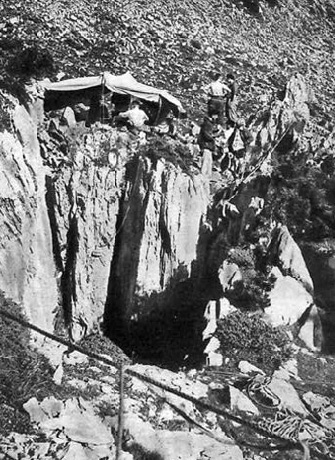
Discovery of the access shaft named after its inventor, Georges Lépineux.
1951
Descent of the 320-metre shaft, the deepest known at the time.
1952
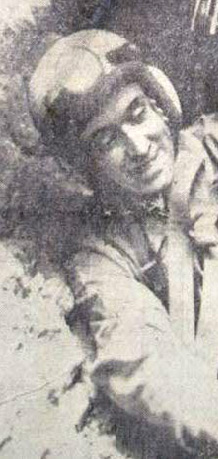
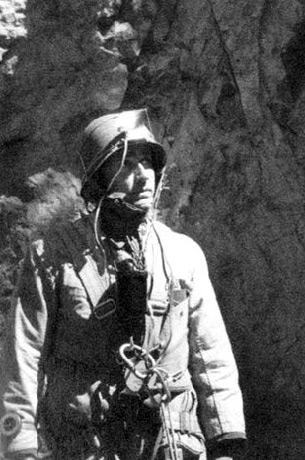
Cavers continue exploring the river to the "Métro" gallery located at -550 metres. Marcel Loubens dies on the return journey from this exploration.
1953
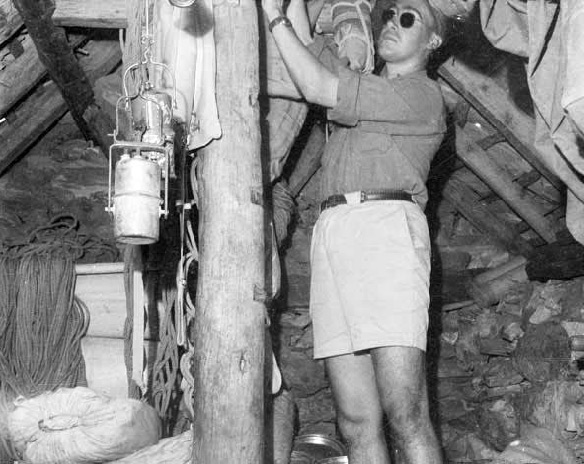
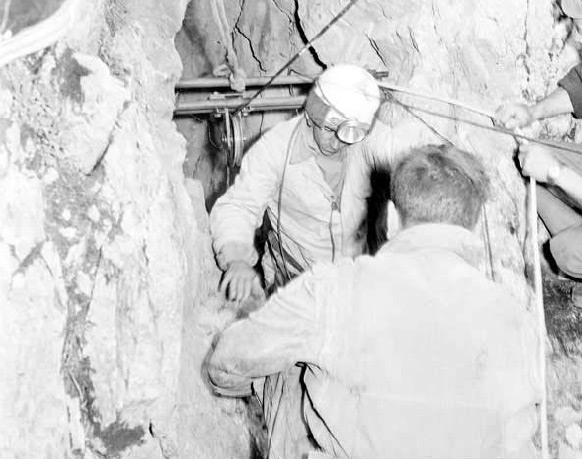
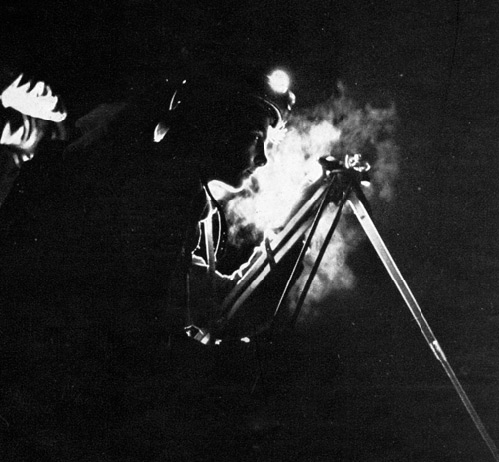
The La Verna chamber is discovered after exploring 3.5 km of galleries from the Lépineux shaft. The underground river disappears at the bottom of the chamber at a depth of 734 metres. At the time, this is the world record for depth reached in caving.

1954
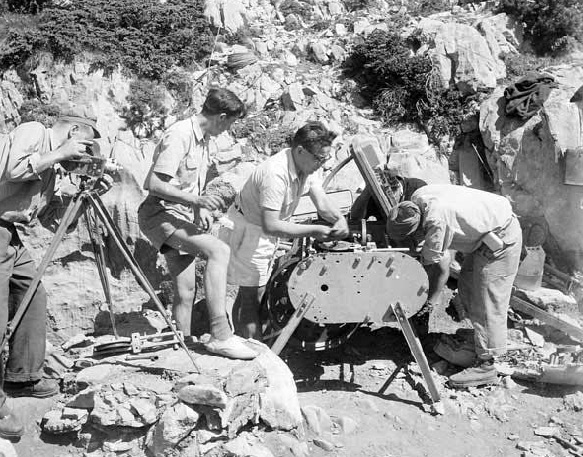
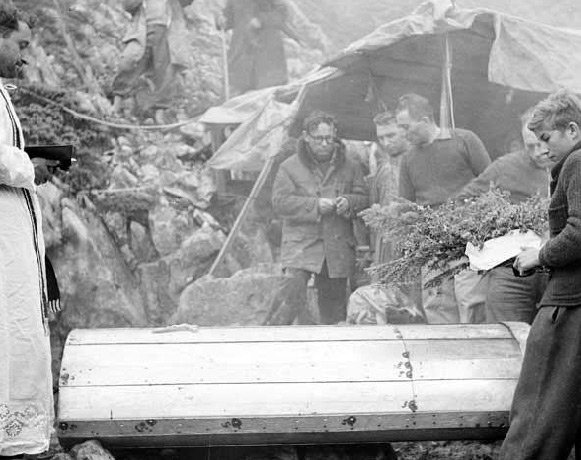
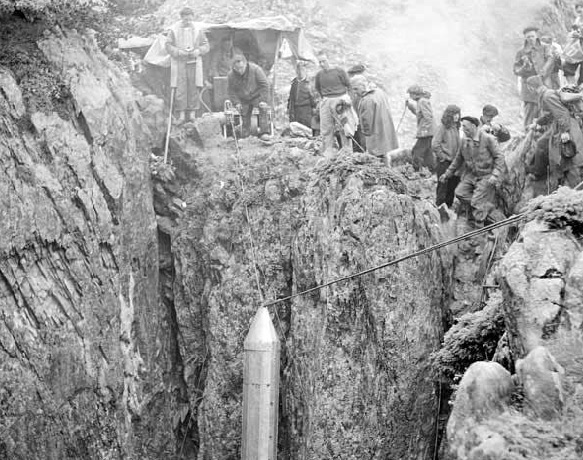
The body of Marcel Loubens is brought back to the surface.
1955 - 1960
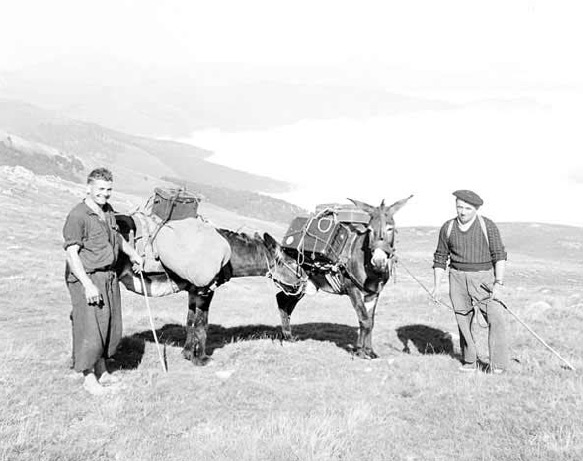
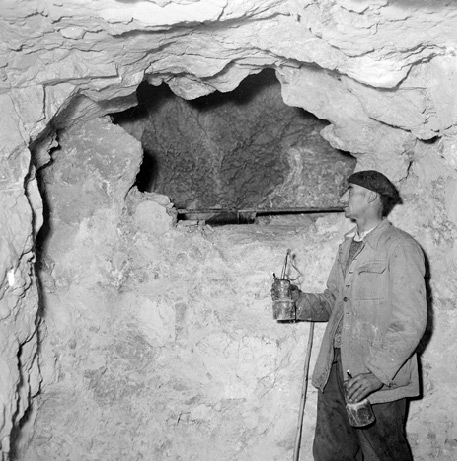
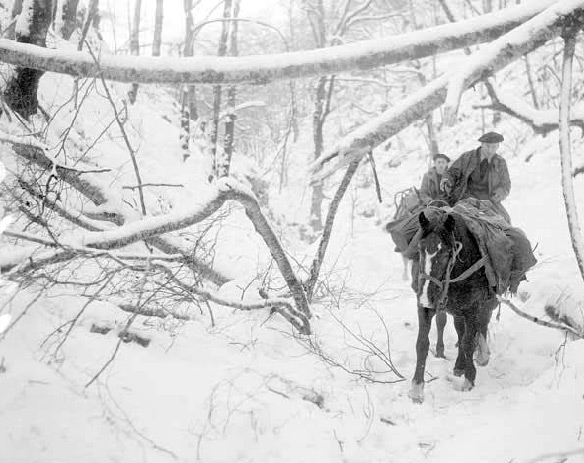
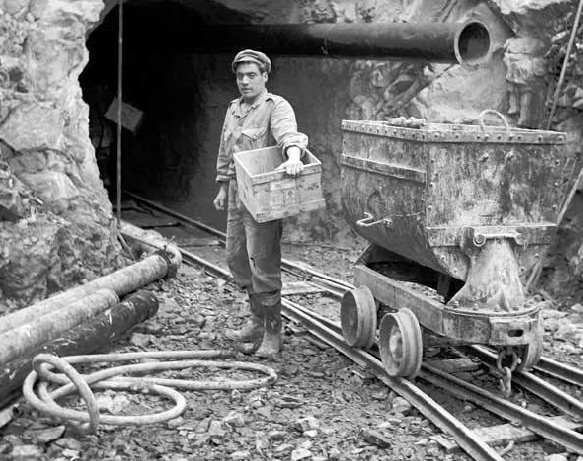
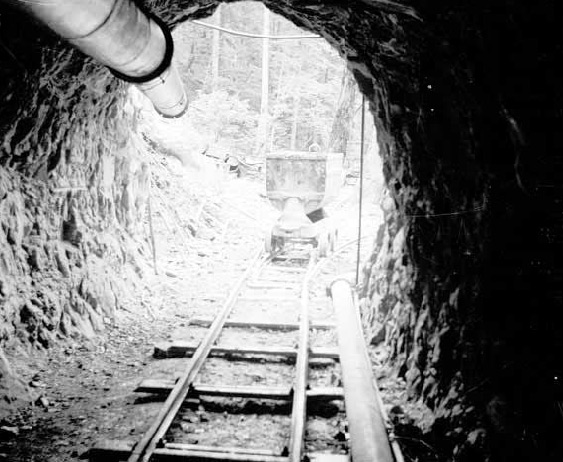
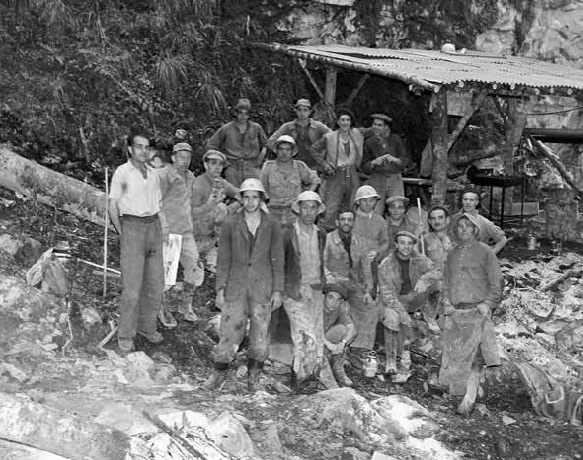
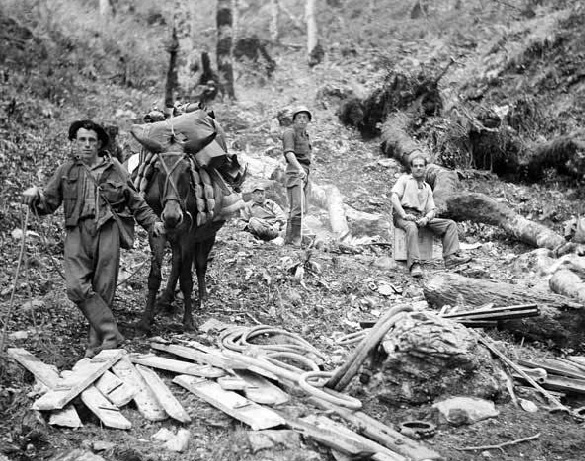
Construction of a tunnel by EDF to capture the river for hydroelectric power generation. The unsuspected Arphidia network is discovered during the works.

1962
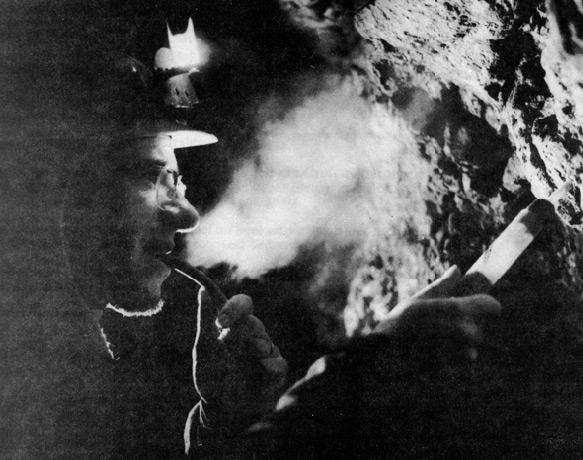
In the 1960s, Michel Cabidoche records 21 animal species in the Verna, the most emblematic being Aphaenops and Hydraphaenops.
1965
Exploration of the wells following the Aranzadi gallery reaches the mythical depth of -1,000 m.
1966
A team of young speleologists from the region discovered the Gouffre de la Tête Sauvage, which connects to the underground river, bringing the depth of the chasm to 1,166 metres, a new world record.
1967
EDF abandons its hydroelectric plant project.
1971
Max Cosyns presents the first project to develop the Gouffre de la Pierre Saint-Martin for tourism. It never sees the light of day.
2004
The Société Hydroélectrique du Midi (SHEM) relaunches a project to capture water from the river in the Salle de la Verna. The hydroelectric plant will be commissioned in 2007.
2007
The current tourism development project is launched by SIVU La Verna, with the assistance of the local Speleology Committee (Comité Départemental de Spéléologie des Pyrénées-Atlantiques).
2010
The Verna chamber is opened to the public.
2025
La Verna has welcomed more than 200,000 visitors since its opening.


